



















JUDICIAL SAFEGUARDS AGAINST ABUSE OF 498A IPC AND DOWRY LAWS

INTRODUCTION
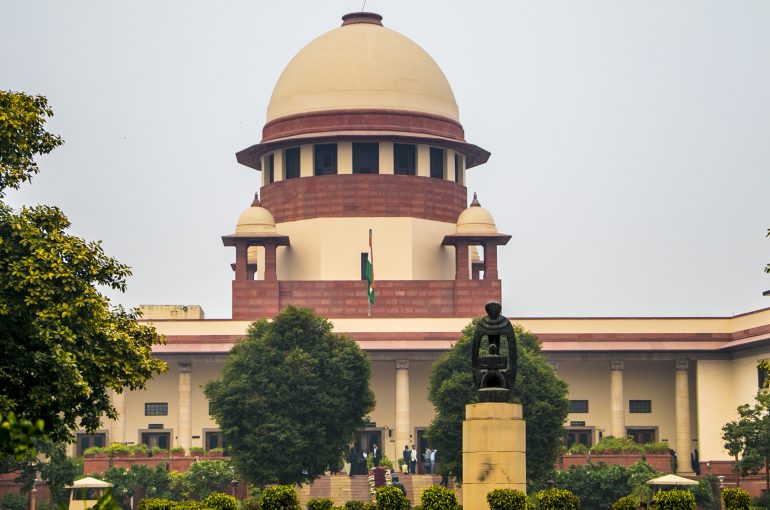
In Charul Shukla v. State of U.P. and Ors., 2026 INSC 297, decided on 25 March 2026, the Supreme Court of India, comprising Justice B.V. Nagarathna and Justice Ujjal Bhuyan, the Supreme Court examined the misuse of Section 498A IPC in matrimonial conflicts, highlighting the importance of clear evidence, safeguarding innocent relatives and applying principles to dismiss frivolous cases.
BRIEF FACTS
1. The Complainant, who married one Utkarsh Awasthi in 2017, later lodged FIR No. 758/2023 against her parents-in-law and sister-in-law, alleging dowry harassment, physical assault, miscarriage and sexual misconduct.
2. The FIR was filed after a delay of over six years under Sections 498A, 323, 313 of the IPC, along with Sections 3 and 4 of the Dowry Prohibition Act.
3. The High Court declined to quash the FIR, finding that it disclosed cognizable offences.
4. The subsequent charge sheet dropped the Section 313 IPC allegation but proceeded under Sections 323, 354, 498A of the IPC and Sections 3 and 4 of the Dowry Prohibition Act.
5. The Accused in-laws then moved the Supreme Court seeking quashing of the proceedings.
ISSUES OF LAW
1. Whether the FIR and charge sheet disclose a prima facie case against the sister-in-law and parents-in-law.
2. Whether vague, omnibus and unsubstantiated allegations are sufficient to continue criminal proceedings under Section 498A IPC.
3. Whether the delay of more than six years in filing the FIR affects the credibility of the prosecution case.
4. Whether the High Court erred in refusing to quash the FIR.
ANALYSIS OF THE JUDGMENT
The Supreme Court carefully examined whether the allegations against the sister-in-law and parents-in-law were strong enough to justify a criminal trial. It did not just rely on what was written in the FIR but also looked at whether there was any real supporting material.
Vague and General Allegations
The Court found that most allegations were broad and lacked specific details. Simply stating that “all in-laws harassed” or “demanded dowry” without explaining exact incidents, dates or roles was considered insufficient. The Court emphasized that criminal law cannot be set in motion based on such general claims.
No Supporting Evidence
A key concern for the Court was the lack of supporting evidence, as there were no documents to substantiate the alleged dowry demands, no medical records to prove the miscarriage was caused by assault and no specific details to support the allegations of sexual misconduct; consequently, the Court held that the accusations were not supported by any objective material.
Significant Delay in Filing FIR
The Complaint was filed after more than six years. The Court noted that such a long delay weakens the credibility of the allegations, especially when no convincing explanation is provided. In criminal cases, timely reporting is important to preserve evidence and ensure fairness.
Dropping of Serious Charges
The Investigating Agency itself dropped the charge under Section 313 IPC (miscarriage), which was one of the most serious allegations. This indicated that even during investigation, the claim could not be substantiated from medical report.
Misuse of Section 498A IPC
The Court reiterated that although Section 498A is meant to protect women from cruelty, it is sometimes misused by implicating all family members without clear evidence. Courts must be cautious to prevent harassment of innocent relatives.
Specific Allegations Against Father-in-law
Even for the allegation under Section 354 IPC (outraging the modesty of woman), the Court found that the Complaint lacked details about what exactly happened. Without clear description or corroboration, such serious charges could not be sustained. In this regard the High Court failed to see that no such specific allegation or any specific instance has been stated either in the FIR or in the Charge sheet.
Consideration of Circumstances of Accused
The Court also noted that the parents-in-law were elderly and the sister-in-law was living separately and professionally settled, which further weakened the credibility of the allegations against them.
CONCLUSION
The Supreme Court set aside the Impugned Order dated 18.12.2023 passed by the High Court. Consequently, FIR along with the criminal case were quashed insofar as they relate to the Appellants, namely the sister-in-law and parents-in-law of the Complainant.
The Supreme Court ultimately concluded that continuing the case would be unfair and unjust. Since the allegations lacked clarity, evidence and timely reporting, allowing the trial to proceed would amount to misuse of the criminal justice system.
TRISHMA KASHYAP
Legal Associate
The Indian Lawyer & Allied Services
Please log onto our YouTube channel, The Indian Lawyer Legal Tips, to learn about various aspects of the law. Our latest Video, titled “Can AI replace an advocate’s job? || Artificial Intelligence in Legal Profession” can be viewed at the link below:

Leave a Reply